
Why Sports Are Important in a Student's Life
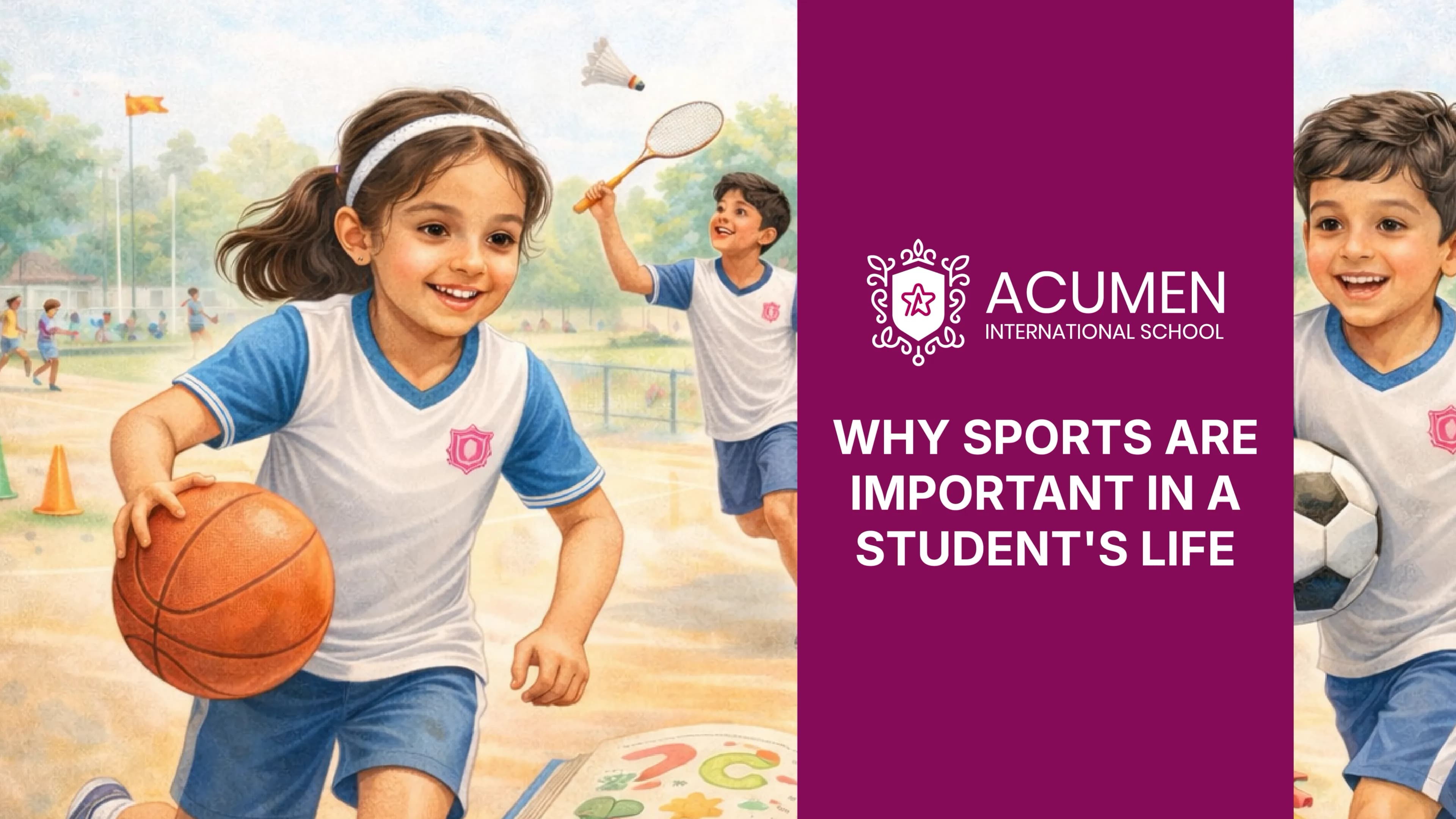
Why Sports Are Important in a Student's Life
It can be easy to think of sports as something extra, something that sits on the edge of school life rather than inside it. Classes feel serious and necessary. Sports sometimes look like noise on a field or a ball being passed around without much meaning. But after watching how students move through their days, it starts to feel like sports are doing quiet work in the background. The importance of sports in student life doesn’t always show up in obvious ways. It shows up in the way a student sits a little straighter after a game, or how the restlessness of the day seems to fade after practice. There is something about movement that balances out all the sitting and listening. Without it, the school day can feel unfinished, like something got left out. Not every student loves sports, of course. Some avoid it whenever possible. Still, even they often seem a bit lighter after being made to participate, even if they complain the whole time.
A Different Kind Of Learning
Classrooms teach in a very direct way. There are words on boards, instructions, and right answers waiting at the end of a question. Sports teach differently. Lessons come in sideways, sometimes without being noticed. Losing a game, for example, teaches something that no lecture really can. So does waiting for a turn, or passing the ball instead of holding onto it too long. These things sound small, but they stay with students. They show up later in group projects and even in friendships. This is where physical education in schools starts to make more sense. It isn’t just about exercise or keeping students busy. It gives them a space where mistakes are normal and even expected. In class, mistakes can feel heavy. On a field, they disappear quickly, replaced by the next play or the next attempt. There is something forgiving about that rhythm. At Acumen International School, we see sports as an extension of learning, where teamwork and resilience grow naturally through everyday play and guided activities.
The Body And The Mind Are Connected
Students spend so much time in their heads, reading, solving, memorizing, worrying about tests. It builds up quietly. Stress doesn’t always look dramatic. Sometimes it just looks like tiredness or distraction. Sports seem to release some of that pressure. Not all at once, and not in a magical way, but enough to notice. A student who runs for twenty minutes often comes back calmer, even if they don’t say so. It’s easy to forget that learning isn’t just mental work. The body is involved too. Sitting still for hours isn’t natural for anyone, especially for younger students. Movement resets something. After that, focusing becomes a little easier. This might be one of the simplest reasons sports matter, though it’s rarely explained that way.
Quiet Confidence
Confidence is often talked about like it appears suddenly, but it usually builds slowly. Sports seem to help with that, especially for students who struggle in traditional classes. A student who finds math difficult might still be a strong runner. Someone shy in class might speak loudly on a team. These small shifts matter more than they look like they do. They give students another way to see themselves. With us at Acumen International School, sports often become part of the rhythm of the day rather than a separate activity. In conversations about student life at Acumen international school, sports come up naturally alongside classes and events, not as an afterthought but as something woven into daily routines. That kind of balance seems important. When sports are treated as optional extras, they often fade into the background. When they are treated as part of school life, students tend to accept them more easily. We create opportunities for every child to participate in sports within a safe and encouraging environment, helping them discover confidence beyond the classroom.
Not Just For Athletes
One common misunderstanding is that sports are mainly for athletic students. The ones who run fast or already know the rules. But school sports aren’t really meant to be about excellence. At least, not entirely. They are more about participation than performance, even if competitions exist. A student doesn’t need to be skilled to benefit from moving, trying, and being part of something shared. Sometimes the students who gain the most are the ones who start out unsure. There is something meaningful about improving slowly, even if no one else notices. Especially then. Sports create a space where progress is visible in a very physical way, like running a little longer, throwing a little farther, or missing less often. These are simple changes, but they feel real.
A Place Where Young Minds Feel at Home- Acumen International School
At Acumen International School, we’ve shaped our campus around the way children actually learn and grow. Our classrooms are bright and flexible, our play areas invite exploration, and our low student–teacher ratio helps us notice each child as an individual. We believe learning should feel natural, not forced, which is why our days include movement, creativity, and quiet moments to reflect. We focus on strong foundations in literacy and numeracy, but also on curiosity and kindness. When children feel safe and seen, they begin to participate more, try more, and slowly grow into confident learners.
School is already full of things students must do, assignments, tests, deadlines. Sports can feel like just another requirement, but they seem to offer something different. They give students a chance to be active without needing a deep reason, a chance to play, even if the word “play” isn’t always used anymore. That part of growing up doesn’t disappear just because school becomes more serious. Maybe that’s why sports stay important year after year. Not because every student loves them, and not because they solve every problem, but because they fill a space that nothing else quite fills. Without sports, school life can become too centered on academics and performance. Sports help restore balance by giving students a healthy outlet for energy, teamwork, and personal growth.